Diabetes Clinic

Your health is our priority.

Choose Our Medical Services

Delivering World Class Medical Care

DIABETIC CLINIC

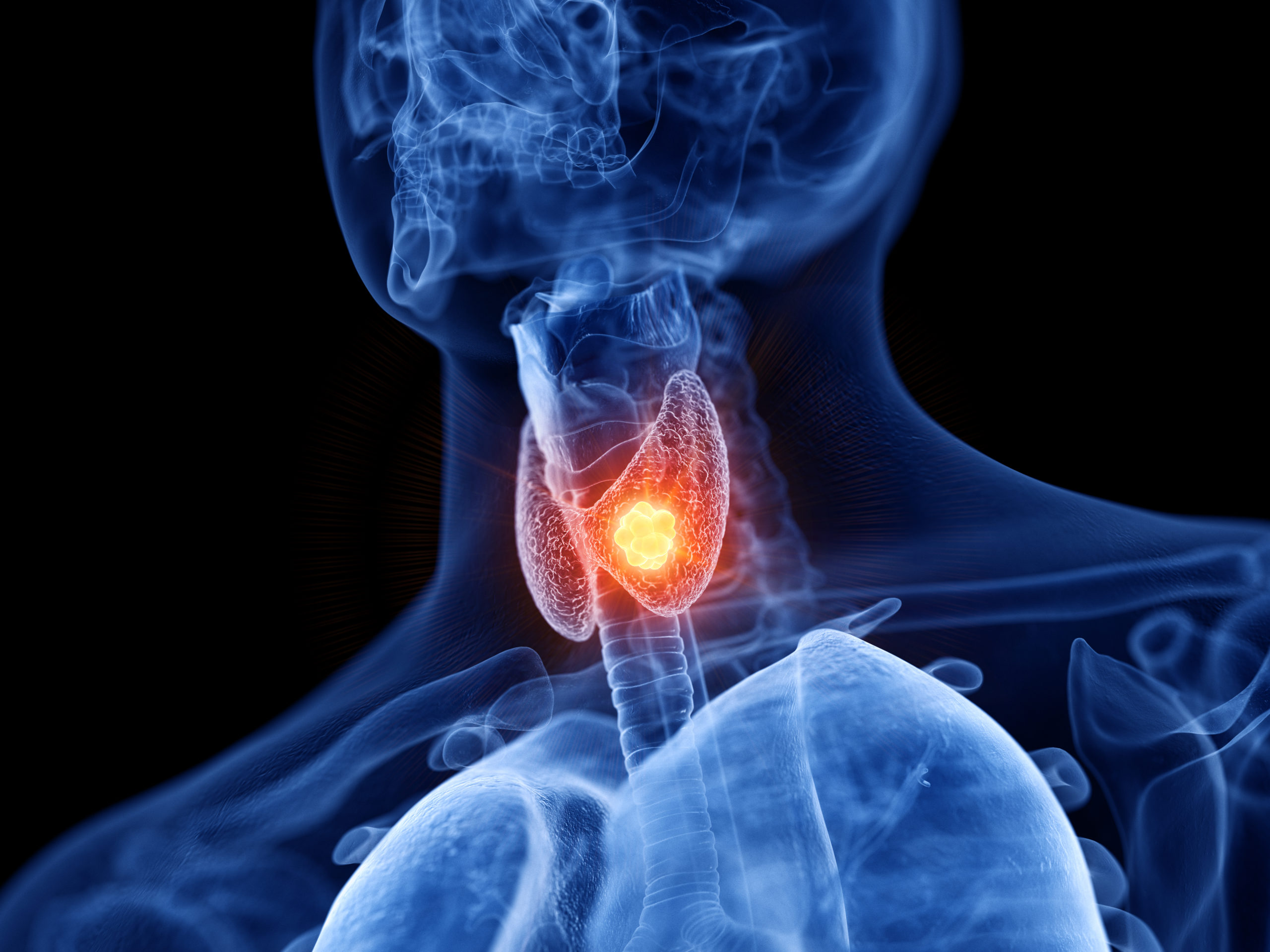
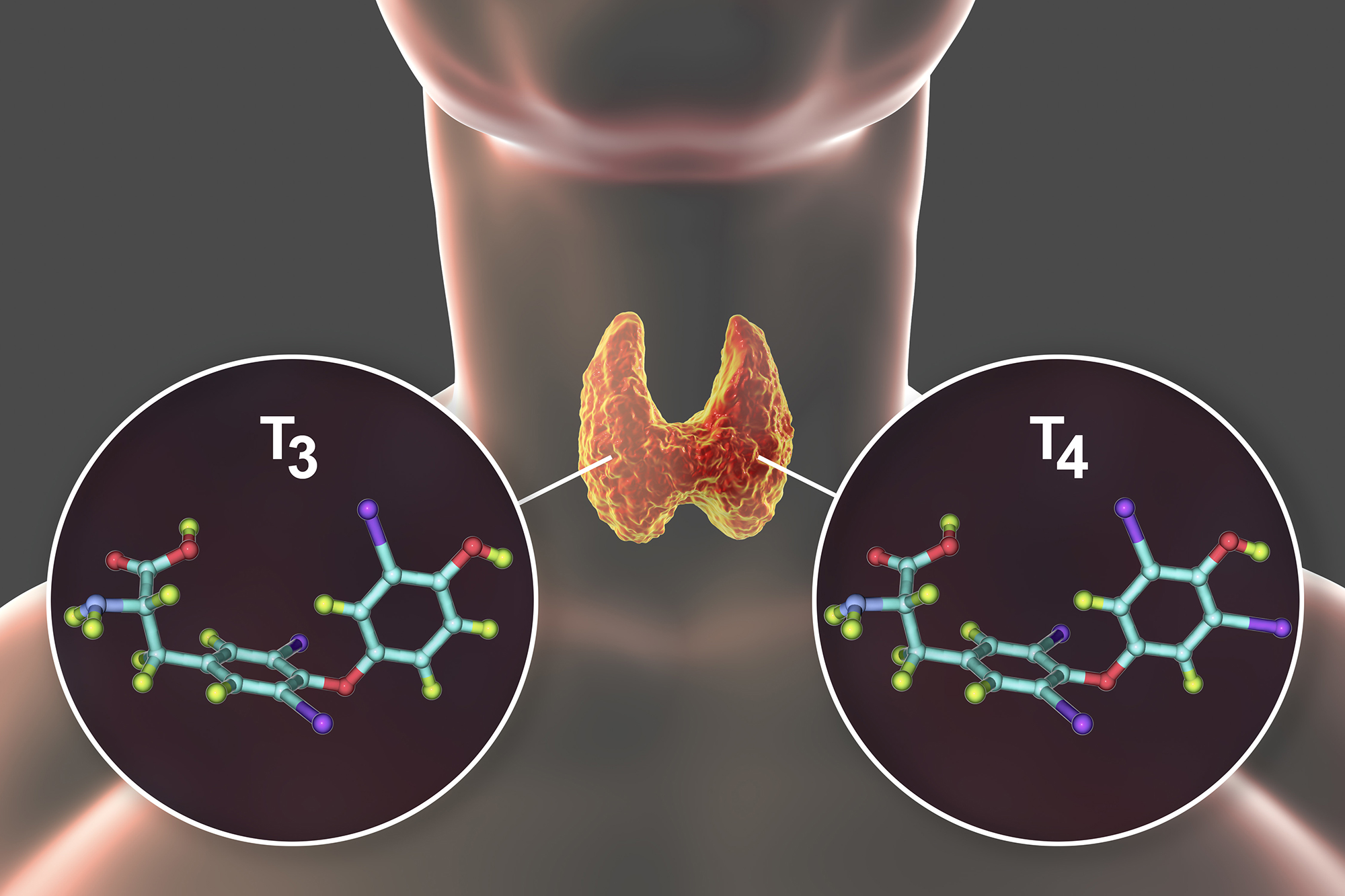
THYROID CLINIC

OBESITY CLINIC

OSTEOPOROSIS CLINIC

WELLNESS CLINIC

DIABETES COMPLICATION ASSESSMENT

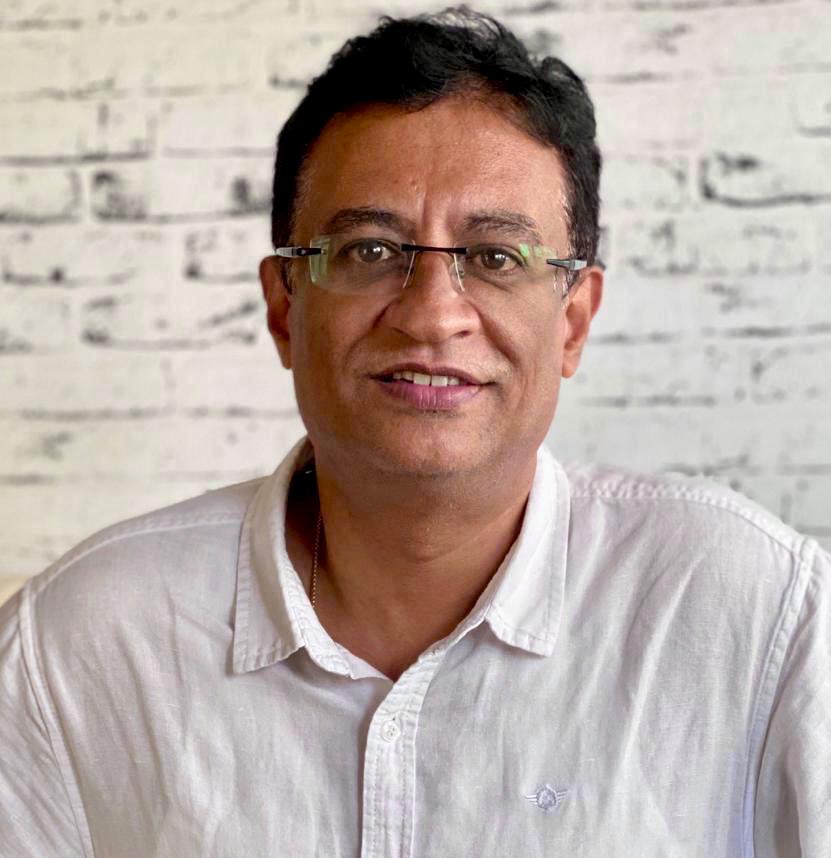
About DR.SURESH KUMAR

MD. FRCP(UK}, FACE, GDip Endo(UK) Fellowship in Endocrinology & Metabolism (Australia)
Consultant in Diabetes, Endocrinology & Metabolic-disorders

A highly accomplished medical professional holding the passion to add maximum value to internal medicine, diabetes, and endocrinology specialty. Holding 20 years of enriching experience and well recognised in India’s medical industry for the wide research based career journey with several published research work. Completed undergraduation from University of Madras in 1991 followed by post graduation in internal medicine from the prestigious Kasturba medical college, Manipal in 1996. Later pursued a diabetes fellowship program from the reputed Royal Prince Alfred Hospital, Sydney, Australia, followed by a 1 year fellowship training in clinical endocrinology from the Concord repatriation hospital, Sydney, Australia. Published various articles on diabetes in leading journals and newspapers in India and has also been a regular speaker at medical conferences and television. Was conferred Fellowship in endocrinology from the American College of Endocrinology in 2016 and Fellowship of the Royal College of Physicians of Glasgow in 2020 in recognition of services and expertise in the field of endocrinology and diabetes.

Has written various articles on Diabetes has featured in leading news papers in India and has been also the speaker for many national and state level medical prgrammes mainly related to Diabetes. Regular Attendee at all major Diabetic and endocrine conferences around the world including ADA.EASD.AACE conferences too keep in touch with the latest trends in the medical field He also involved in the Swasthi Charitable society which was established with the sole aim for providing help to needy patients especially cancer patients with regards to their medical treatment and livelihood

If you have any emergency Doctor’s need, simply call.

Your personal case manager will ensure that you receive the best possible care.

Call Now 

+91 98953 24422,
+91 8089348575

Frequently Asked Questions

People with diabetes frequently experience certain symptoms. These include:

  • being very thirsty
  • frequent urination
  • weight loss
  • increased hunger
  • blurry vision
  • irritability
  • tingling or numbness in the hands or feet
  • frequent skin, bladder or gum infections
  • wounds that don’t heal
  • extreme unexplained fatigue


In some cases, there are no symptoms — this happens at times with type 2 diabetes. In this case, people can live for months, even years without knowing they have the disease. This form of diabetes comes on so gradually that symptoms may not even be recognized.

Diabetes can occur in anyone. However, people who have close relatives with the disease are somewhat more likely to develop it. Other risk factors include obesity, high cholesterol, high blood pressure, and physical inactivity. The risk of developing diabetes also increases as people grow older. People who are over 40 and overweight are more likely to develop diabetes, although the incidence of type 2 diabetes in adolescents is growing. Diabetes is more common among Native Americans, African Americans, Hispanic Americans and Asian Americans/Pacific Islanders. Also, people who develop diabetes while pregnant (a condition called gestational diabetes) are more likely to develop full-blown diabetes later in life.

There are certain things that everyone who has diabetes, whether type 1 or type 2, needs to do to be healthy. They need to have a meal (eating) planThey need to pay attention to how much physical activity they engage in, because physical activity can help the body use insulin better so it can convert glucose into energy for cells. Everyone with type 1 diabetes, and some people with type 2 diabetes, also need to take insulin injectionsSome people with type 2 diabetes take pills called “oral agents” which help their bodies produce more insulin and/or use the insulin it is producing better. Some people with type 2 diabetes can manage their disease without medication by appropriate meal planning and adequate physical activity.

Everyone who has diabetes should be seen at least once every six months by a diabetes specialist (an endocrinologist or a diabetologist). He or she should also be seen periodically by other members of a diabetes treatment team, including a diabetes nurse educator, and a dietitian who will help develop a meal plan for the individual. Ideally, one should also see an exercise physiologist for help in developing a physical activity plan, and, perhaps, a social worker, psychologist or other mental health professional for help with the stresses and challenges of living with a chronic disease. Everyone who has diabetes should have regular eye exams (once a year) by an eye doctor expert in diabetes eye care to make sure that any eye problems associated with diabetes are caught early and treated before they become serious.

Also, people with diabetes need to learn how to monitor their blood glucose. Daily testing will help determine how well their meal plan, activity plan, and medication are working to keep blood glucose levels in a normal range.

Your healthcare team will encourage you to follow your meal plan and exercise program, use your medications and monitor your blood glucose regularly to keep your blood glucose in as normal a range as possible as much of the time as possible. Why is this so important? Because poorly managed diabetes can lead to a host of long-term complications — among these are heart attacks, strokes, blindness, kidney failure, and blood vessel disease that may require an amputation, nerve damage, and impotence in men.

But happily, a nationwide study completed over a 10-year period showed that if people keep their blood glucose as close to normal as possible, they can reduce their risk of developing some of these complications by 50 percent or more.

Maybe someday. Type 2 diabetes is the most common type of diabetes, yet we still do not understand it completely. Recent research does suggest, however, that there are some things one can do to prevent this form of diabetes. Studies show that lifestyle changes can prevent or delay the onset of type 2 diabetes in those adults who are at high risk of getting the disease. Modest weight loss (5-10% of body weight) and modest physical activity (30 minutes a day) are recommended goals.

Blogs

We believe in affordable specialty healthcare for all.

Address

TC-23/1354(1) Kowdiar Gardens A Golf Links Road Kowdiar PO. Trivandrum 695003

+91 98953 24422,
+91 8089348575

Email

drsuresh100@gmail.com